Publications » Position papers » Carbon Contracts for Difference
Carbon Contracts for Difference
Downloads and links
Recent updates
Project-specific long-term Carbon Contracts for Difference (CCfD) can be an important tool to facilitate a viable business model and to launch large scale, innovative projects to reduce emissions in industrial sectors such as steel.
The European steel industry is keen to start the transformation. Our ambition is – under the right conditions - to reduce CO2 emissions by 2030 by 30% compared to 2018 (which equates to 55% compared to 1990) and towards carbon neutrality by 2050. The sector is able to significantly advance the EU’s climate objectives as CO2 emissions are concentrated in a limited number of installations that cover about 25% of EU industrial and almost 6% of EU total CO2 emissions. These could have the highest abatement potential in volume amongst all industrial sectors if our projects can be implemented successfully and low-carbon steel finds its way into the market.
Download this publication or visit associated links
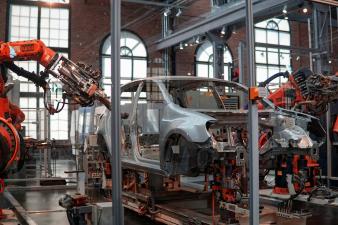
Proposed credit would allow European carmakers to meet 3% of their CO₂ targets through low-carbon steel made in the EU rising to 7.5% from 2035.
Brussels, 21 October 2026 - The European steel industry welcomes a compromise reached in the European Parliament yesterday on CO₂ standards for cars and vans, which includes a dedicated incentive for carmakers to use low-carbon steel Made in the EU.
As EU steel production rises, helping preserve up to 80,000 jobs, the industry reports €3.4 billion in investment decisions, with a further €2.4 billion expected by year-end.
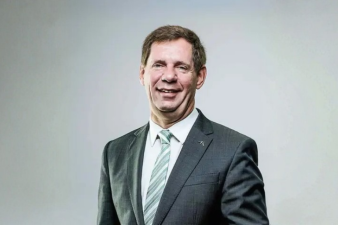
Brussels, 1 October 2026 - The European Steel Association (EUROFER) has elected Geert Van Poelvoorde, Chairman of the Board of ArcelorMittal Europe Steel, as its new President. Taking office today, Mr Van Poelvoorde said stronger home markets across the steel value chain, secure access to export markets and a strong industrial base will be essential to delivering on the European Union’s ambitions for global competitiveness and strategic autonomy.
The European Steel Association (EUROFER)
172 Avenue de Cortenbergh
1000 Brussels
Belgium
Email: mail@eurofer.eu
Phone: +32 (0) 2 738 79 20