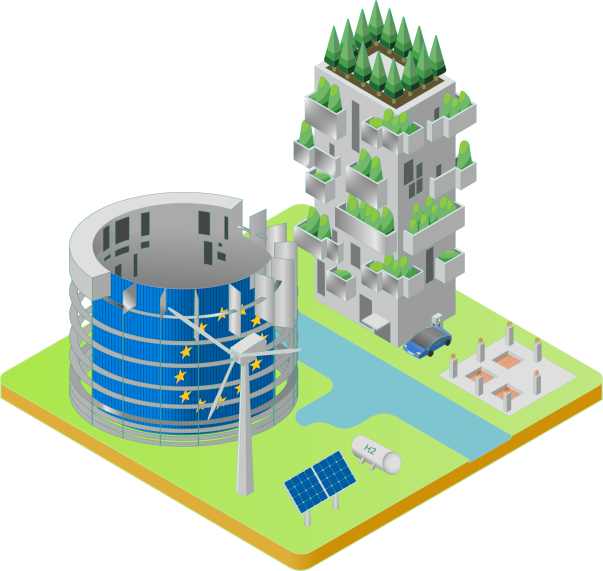

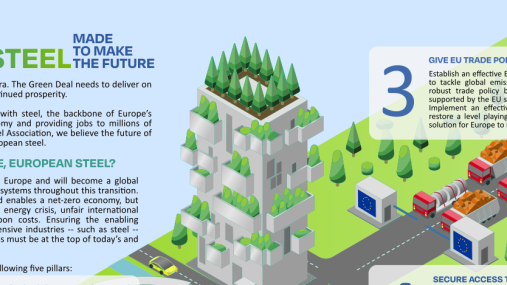
Europe is on the cusp of a transformative era. The Green Deal needs to deliver on ambitious climate goals while ensuring continued prosperity. European economic integration was built with steel, the backbone of Europe’s growth, contributing billions to the economy and providing jobs to millions of Europeans. As EUROFER, the European Steel Association, we believe the future of a green Europe can only be forged with European steel.
The future of ‘Green Steel’ begins here in Europe and will become a global reality if we support our own industrial ecosystems throughout this transition. Europe-made steel has a strategic role and enables a net-zero economy, but today it faces strong headwinds from the energy crisis, unfair international competition, and growing unilateral carbon costs. Ensuring the enabling conditions for the transition of energy-intensive industries -- such as steel -- that are essential for clean tech value chains must be at the top of today’s and the post-2024 EU agenda. We call on policy makers to prioritize the following five pillars:
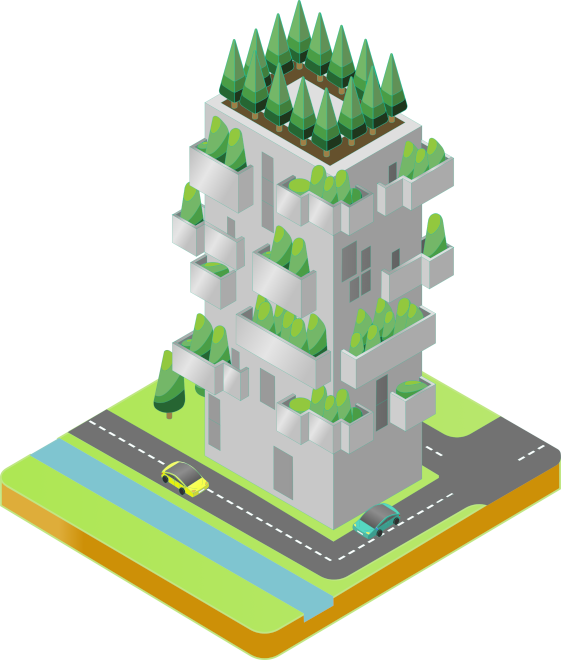


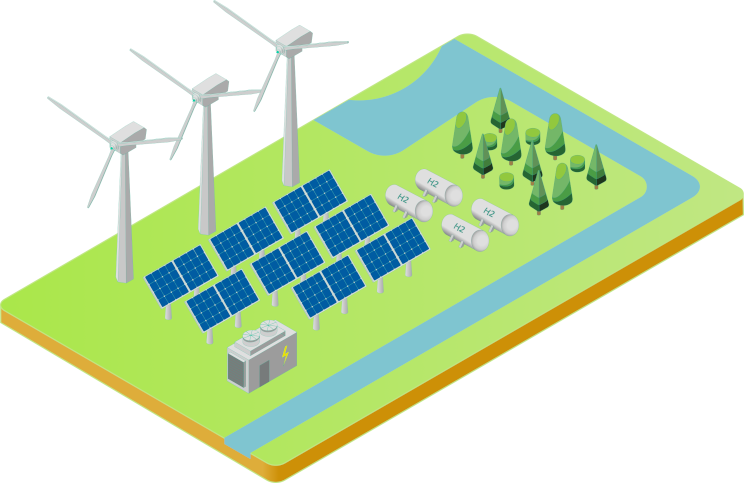

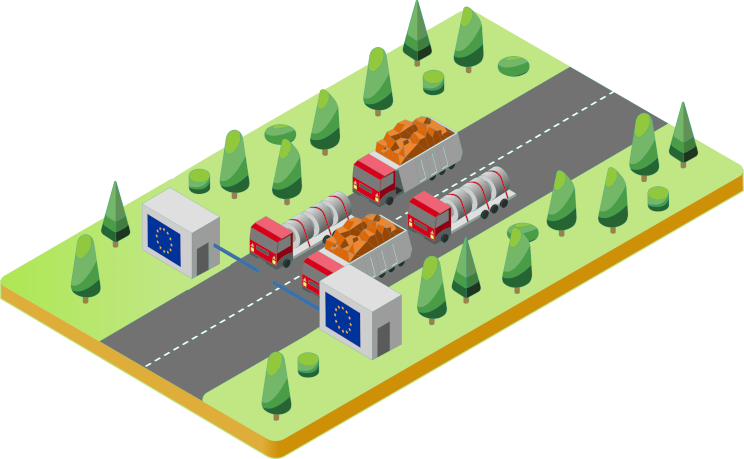

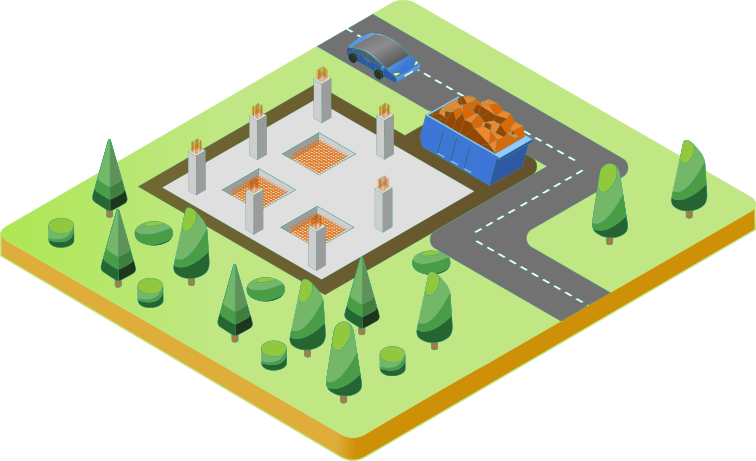

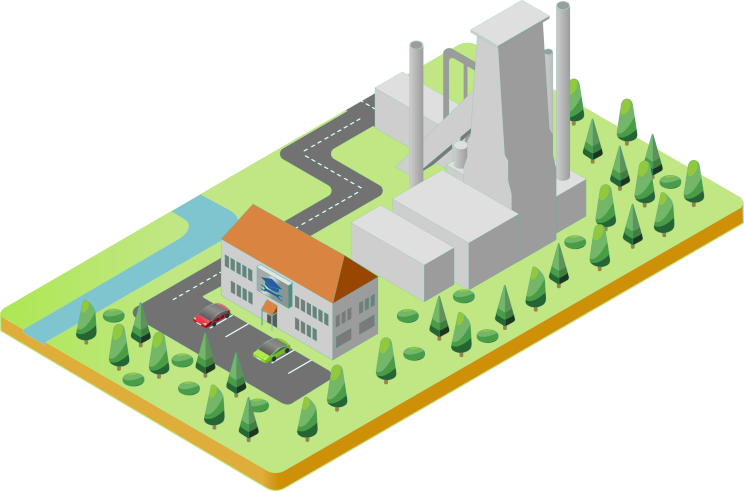
The European steel ecosystem provides 306,000 direct jobs across 22 EU Member States and supports over 2.2 million indirect and induced jobs in the EU, creating €143 billion of Gross Value Added per year across sectors. Steel is a pillar of European prosperity, and our industry a standard bearer of the EU’s high labour and ethical standards. Beyond numbers, steel is the foundation of most EU clean value chains, ensuring resilience in a context of geopolitical uncertainty. From trains, cars, bikes, windmills, solar panels, to critical infrastructure and everyday items, steel is the core of the better world we aim to build.
Innately circular and 100% recyclable, steel is not just a material, it is a testament to Europe’s resilience, innovation, and commitment to sustainability. With over 3,500 grades of steel – 75% of which have been developed in the last two decades – European steel is stronger, lighter, and greener than ever before. The EU boasts an 88% steel recycling rate, while in 2021 more than half of our steel production was made from recycled steel, positioning European producers as global leaders in circular steel. Over 60 low-carbon steel projects are planned or underway across the EU, aiming to reduce CO2 emissions by 81.5 million tonnes annually by 2030. The first ones should start operations by 2026. With the right conditions in place, the future of the clean tech industry will be made in Europe, and through continuous investment in decisive technologies, we pave the way for a net zero future.


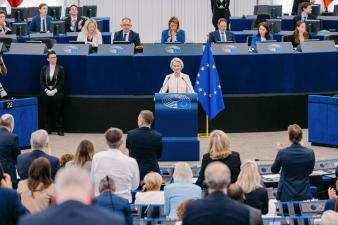
Brussels, 16 September 2026 - Europe’s steel industry has welcomed European Commission President Ursula von der Leyen’s focus on competitiveness, affordable energy and a level playing field, saying these conditions were vital to keep industrial investment and production in Europe.
Ahead of today’s European Parliament vote on the Carbon Border Adjustment Mechanism (CBAM), Europe’s steel industry is calling on MEPs to close remaining loopholes and secure a level playing field for European steelmakers investing billions in low-carbon production.
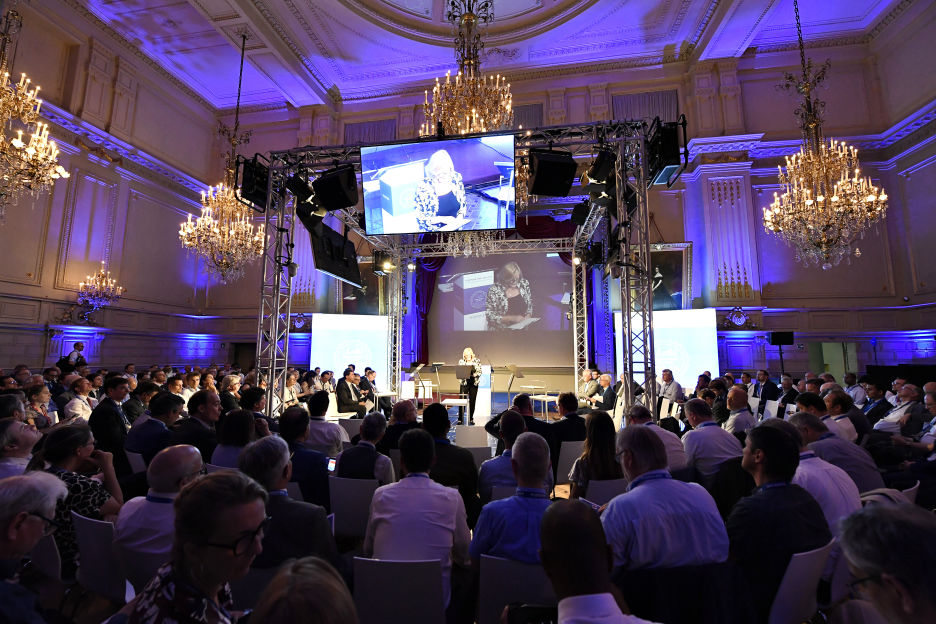
Steel in Action 2026
The European Steel Association (EUROFER)
172 Avenue de Cortenbergh
1000 Brussels
Belgium
Email: mail@eurofer.eu
Phone: +32 (0) 2 738 79 20