Publications » Position papers » A call for a more effective application of existing EU policy instruments and improvements where needed
A call for a more effective application of existing EU policy instruments and improvements where needed
Downloads and links
Recent updates
Globalisation of markets and industries intensifies the distorting effects of government policies that unfairly protect and support domestic markets and industries. Thus, the EU needs to address more effectively State-led distortions that are undermining the viability of traditional and innovative European industries, both at home and abroad. The EU needs to be more assertive in using – and where needed modifying – existing tools as well as developing new policy instruments to ensure a level playing field for EU industries while at the same time creating much needed leverage at the multilateral (WTO) level. The new Commission’s encouraging political objectives and orientations need to be endorsed and supported by the Council and the European Parliament and effectively implemented by the Commission.

Download this publication or visit associated links
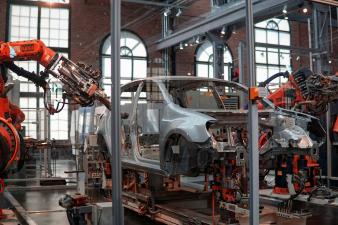
Proposed credit would allow European carmakers to meet 3% of their CO₂ targets through low-carbon steel made in the EU rising to 7.5% from 2035.
Brussels, 21 October 2026 - The European steel industry welcomes a compromise reached in the European Parliament yesterday on CO₂ standards for cars and vans, which includes a dedicated incentive for carmakers to use low-carbon steel Made in the EU.
As EU steel production rises, helping preserve up to 80,000 jobs, the industry reports €3.4 billion in investment decisions, with a further €2.4 billion expected by year-end.
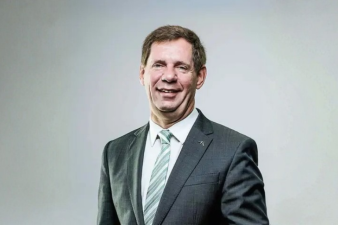
Brussels, 1 October 2026 - The European Steel Association (EUROFER) has elected Geert Van Poelvoorde, Chairman of the Board of ArcelorMittal Europe Steel, as its new President. Taking office today, Mr Van Poelvoorde said stronger home markets across the steel value chain, secure access to export markets and a strong industrial base will be essential to delivering on the European Union’s ambitions for global competitiveness and strategic autonomy.
The European Steel Association (EUROFER)
172 Avenue de Cortenbergh
1000 Brussels
Belgium
Email: mail@eurofer.eu
Phone: +32 (0) 2 738 79 20