Publications » Position papers » Contribution of the waste shipment regulation to EU ambitions on circularity and climate
Contribution of the waste shipment regulation to EU ambitions on circularity and climate
Downloads and links
Recent updates
The release of the Communications by the European Commission on the EU Green Deal and the New Circular Economy shed a new light on how the EU can achieve its goals towards resource efficiency and climate. The EU Green Deal mentioned that “EU should stop exporting its waste outside of the EU and will therefore revisit the rules on waste shipments and illegal exports”.
The Communication also stressed that the access to resources is also a strategic security question for Europe’s ambition to deliver the Green Deal. More precisely, the EU Green Deal pointed out that ensuring the supply of sustainable raw materials necessary for clean technologies, by diversifying supply from both primary and secondary sources, is one of the pre-requisites to make the green transition (even more in the COVID-19 context) happening.
Moreover, the New Circular Economy Action plan aims at these objectives in particular via thefollowing two actions: (1) creating a wellfunctioning EU market for secondary raw materials; (2) addressing waste exports – which are losses of resources and economic opportunities for the recycling industry in the EU through the review of the Waste Shipment Regulation aiming at restricting exports of waste that can be treated domestically within the EU.
Download this publication or visit associated links
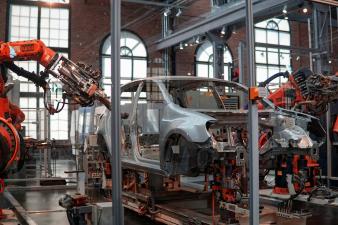
Proposed credit would allow European carmakers to meet 3% of their CO₂ targets through low-carbon steel made in the EU rising to 7.5% from 2035.
Brussels, 21 October 2026 - The European steel industry welcomes a compromise reached in the European Parliament yesterday on CO₂ standards for cars and vans, which includes a dedicated incentive for carmakers to use low-carbon steel Made in the EU.
As EU steel production rises, helping preserve up to 80,000 jobs, the industry reports €3.4 billion in investment decisions, with a further €2.4 billion expected by year-end.
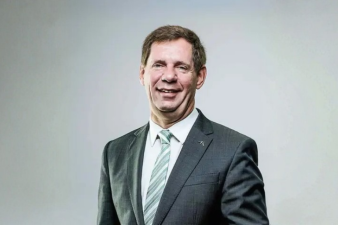
Brussels, 1 October 2026 - The European Steel Association (EUROFER) has elected Geert Van Poelvoorde, Chairman of the Board of ArcelorMittal Europe Steel, as its new President. Taking office today, Mr Van Poelvoorde said stronger home markets across the steel value chain, secure access to export markets and a strong industrial base will be essential to delivering on the European Union’s ambitions for global competitiveness and strategic autonomy.
The European Steel Association (EUROFER)
172 Avenue de Cortenbergh
1000 Brussels
Belgium
Email: mail@eurofer.eu
Phone: +32 (0) 2 738 79 20